
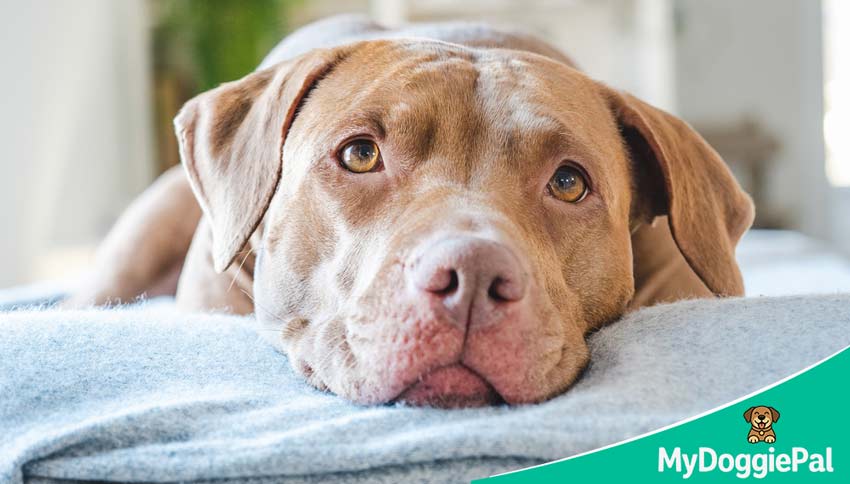
Your dog was sleeping through the night. Now they’re not. And why is my dog not sleeping like before is probably the question keeping you up at 3am alongside them.
Dog sleep regression is common, it has identifiable causes, and it is fixable. This guide maps the most likely trigger for your dog’s age and walks you through the step-by-step reset plan that gets sleep back on track.
What Is Dog Sleep Regression?
Sleep regression means a dog who was previously sleeping well starts waking more frequently, settling less easily, or reverting to disruptive overnight behavior.
It is not the same as a dog who has never slept well. Regression implies a step back from an established baseline.
It can happen at any age and for different reasons at different life stages. It is almost always temporary when the underlying cause is identified and addressed.
The fact that your dog had good sleep before is useful. It means you already know what their baseline looks like. That is the target to return to.
Why Has My Dog Stopped Sleeping Through the Night?
The cause matters because different causes need different fixes. Use the table below to find your dog’s age and identify the most likely trigger. Then go to the relevant section in Section 3 for the specific fix.
| Dog's Age | Most Likely Trigger | Key Signs |
|---|---|---|
| 3 to 5 months | 4-month sleep cycle shift, teething | Was sleeping through, now waking at set times |
| 8 to 12 weeks and 6 to 14 months | Fear period | Waking in apparent panic, startling easily, no obvious cause |
| 6 to 18 months | Adolescence, hormonal shift | Resisting bedtime, boundary testing, selective hearing |
| Any age (after specific event) | Routine change, travel, new household member | Sleep broke down following an identifiable trigger |
| Any age (with physical symptoms) | Pain, illness, teething | See vet before trying a reset plan |
| 7+ years (gradual, not sudden) | Aging or early cognitive dysfunction | Daytime sleep increasing, nighttime restlessness |
One note on senior dogs: if the sleep change is gradual rather than sudden and your dog is over seven years old, that is more likely age-related than regression. Our guide on senior dog sleep changes covers that separately.
Regardless of age, if your dog seems unwell alongside the sleep change, start with a vet visit before any reset plan. Pain and illness are the one trigger that no routine adjustment will fix.
The Most Common Causes of Dog Sleep Regression
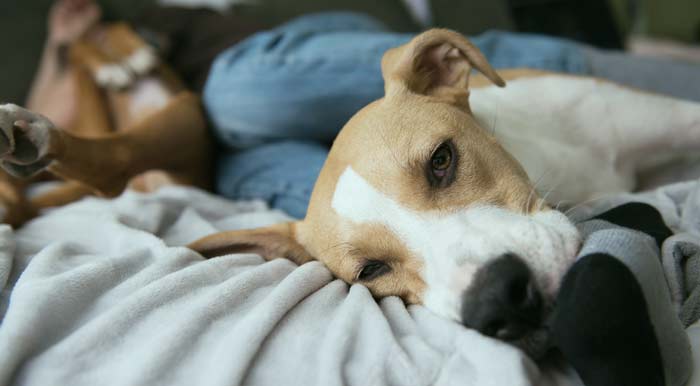
1. The 4-Month Sleep Cycle Shift
Between 3 and 5 months, a puppy’s sleep architecture changes. They move from neonatal sleep patterns into adult-style cycles with distinct REM and non-REM stages. This shift causes waking between cycles that simply did not happen before.
A puppy sleep regression at 4 months looks like this: a puppy who was reliably sleeping through the night suddenly starts waking at 2am or 3am with no obvious cause. They are not cold, not hungry, not ill. Their brain is reorganising how it sleeps.
This usually resolves within 2 to 4 weeks as the brain adapts. The most effective response is to keep the routine completely unchanged. Do not introduce new elements or switch setups. The puppy needs familiarity, not novelty.
→ For a full guide to what sleep looks like at every puppy stage, see our puppy sleep schedule guide.
2. Fear Periods: The Trigger Nobody Names
Dogs go through two recognized fear periods: one at 8 to 12 weeks and a second at 6 to 14 months. During these windows, stimuli that the dog previously ignored can suddenly provoke fear or a startle response.
The environment has not changed. The brain has changed how it processes the environment.
Sleep is directly affected. Dogs wake in apparent panic, startle easily during the night, and struggle to resettle. Because there is no visible external cause, owners frequently misread this as separation anxiety or a medical issue.
The fix is not a routine change. It is stability. Keep everything the same, avoid new frightening exposures during this window, and allow the developmental phase to pass. Reassurance is appropriate here. Do not use this period to push independence.
FEAR PERIOD OR ANXIETY?
If waking is accompanied by destruction, toileting, or extreme distress that only appears when your dog is alone, that is more likely separation anxiety than a fear period. Our guide on dog sleep and anxiety covers the distinction and the longer-term approaches.
3. Adolescence and Hormonal Changes
Between 6 and 18 months, dogs go through hormonal shifts that affect behavior across the board. Sleep is one of the first things to show it. Dogs that were settled start waking, resisting bedtime, or pacing at night.
According to Baxter and Bella’s dog training research, at 6 to 12 months the brain operates primarily from the amygdala, the emotional and reactive center. As the dog matures, function moves toward the prefrontal cortex. Even in neutered dogs, this brain development alone is a significant driver of behavioral change, including disrupted sleep.
What helps: keep the routine identical to what worked before. Do not reward waking with extra attention. Consistent bedtime sequence is the most effective tool. This phase passes.
4. Routine Change and Meal Timing
Dog sleep routine disrupted by a change that seems minor to humans is one of the most common and most overlooked causes. A new work schedule, kids going back to school, the clocks changing, a different person putting the dog to bed, or even a piece of furniture moved in the sleep area can all trigger regression.
Meal timing is a specific sub-trigger that almost not addressed. If a routine change also shifted dinner time, say from 5pm to 7pm, the dog now needs a toilet trip in the early hours that they previously did not.
Moving dinner back to at least 2 to 3 hours before bedtime often resolves this specific waking pattern without any other adjustment.
For permanent changes like new work hours, the answer is not to restore the old routine but to build a deliberate new one. Pick the bedtime, build the pre-sleep sequence around it, and repeat it consistently until it takes hold.
5. New Baby or New Pet
A new household member changes scent, sound, and overnight rhythm in ways dogs register immediately. New babies alter the overnight environment every time they wake: lights on, crying, changed human energy. New pets shift the social dynamic and territorial markers.
The most effective response is to keep the dog’s sleep space and bedtime routine unchanged. The more their night stays the same, the faster they re-regulate.
Do not move the dog’s bed to accommodate the new arrival. Stability for the dog during this period reduces regression significantly.
6. Travel and Relocation
Long journeys and time zone shifts affect dogs as they affect humans. A dog whose routine shifted several hours across a two-week holiday needs time to recalibrate after returning.
Relocation produces adjustment similar to bringing a new dog home: usually 1 to 2 weeks rather than months, but it is real. The fix is to resume the usual bedtime routine on the first night back.
Do not wait for natural re-regulation. Reintroduce the cue, the spot, and the time immediately.
7. Seasonal Change and Light Shifts
Summer mornings bring light earlier, waking dogs before their usual time. Daylight saving produces a one-hour shift that dogs feel for one to two weeks. These are real but manageable triggers.
Blackout curtains or a crate cover maintain the darkness that signals sleep. Keep meal times and walks at the same clock time regardless of outside light.
The dog’s internal clock adjusts to both light and schedule, so anchoring schedule while managing light shortens the disruption.
8. Pain, Illness, and Teething Discomfort
Any new physical discomfort disrupts sleep. Teething pain in puppies, joint stiffness in adults, dental pain, and digestive discomfort all produce restless nights.
This is the one trigger that needs a vet visit, not a reset plan. Signs to watch alongside the sleep change: limping, reduced appetite, sensitivity to touch, changes in posture when lying down or rising. Do not attempt a routine reset until pain has been ruled out.
Dog Suddenly Waking at Night: Regression or Something More?
Not every sleep disruption is regression. It helps to know which type of problem you are dealing with before starting a reset.
Developmental regression (the 4-month shift, fear periods, adolescence) often resolves faster with minimal intervention. The brain is changing. Consistency is the tool and time is the healer.
Trigger-based regression (routine change, new household member, travel) usually needs active management. Left alone it can drift into a habit loop that persists long after the original trigger has passed.
Why is my dog not sleeping like before? Use this to check whether you are dealing with regression or something that needs a vet:
SIGNS THIS IS REGRESSION
- Sleep changed after a specific event or developmental stage
- Dog is alert and engaged when awake
- No appetite or behavior changes
- Dog still responds to settle cues, just wakes more often
SIGNS TO SEE A VET
- No identifiable trigger for the change
- Dog seems flat or unwell when awake
- Physical symptoms alongside the sleep change
- Senior dog with gradual sleep-wake reversal
→ For a broader look at sleep problems that go beyond regression, including restlessness and insomnia that have no clear trigger, see our guide on dog sleep problems.
How to Get Your Dog’s Sleep Back on Track: The Reset Plan
This is the plan that works across all regression triggers. Follow the steps in order.
- Identify and address the trigger first. Use the age-mapped table above as your starting point. If it is pain, see the vet before anything else. If it is a routine change, name the change specifically. If it is developmental, know which window your dog is in. You cannot reset around a cause you haven’t identified.
- Return to the last routine that worked. Not a new routine. The old one. Same bedtime, same pre-sleep sequence, same sleep location. Dogs regress faster when things change and recover faster when something familiar returns. If the old routine has been lost, rebuild it deliberately: three or four consistent events in the same order every night.
- Temporarily reduce overnight freedom if needed. If a dog who had full bedroom access is now waking and roaming, temporarily return them to a more contained setup: a crate or a closed room while the routine re-establishes. This is not punishment. It removes variables and makes the sleep environment predictable again.
- Do not reward the waking. Calm, brief, boring acknowledgement if they wake. No play, no extra fuss, no bringing them into bed to stop the noise. Each rewarded waking reinforces the pattern. Make waking produce nothing interesting.
- Give it 7 to 14 days before changing the approach. The most common mistake is abandoning the plan because night 3 is hard. It will be. Regression recovery takes consistency, not creativity. Stay with the plan for at least a week before concluding it is not working.
HOW ONE BAD NIGHT BECOMES MANY
A dog wakes once for a legitimate reason. The owner responds. The dog learns that waking produces attention, an outdoor trip, or company. The original trigger resolves, but the waking continues because the reward pattern is now established.
This is how a two-week regression becomes a three-month habit. The reset plan only works if step 4 is followed from the first night. Every exception extends the timeline.
If the sleep environment itself may be contributing to the disruption, such as light, noise, or temperature, see our guide on setting up the ideal dog sleep space.
What to Expect While You Reset the Routine
Nights 1 to 3 of the reset are often the hardest. The dog is testing whether the old reward pattern still works. Stay consistent.
By nights 4 to 7, most dogs show some improvement. Settling is faster, waking reduces. By day 10 to 14, most dogs are back to their previous baseline or close to it.
Adolescent regression may take 4 to 6 weeks because the hormonal driver is still present through the whole reset. That is normal and expected.
If travel or relocation triggered the regression, most dogs return to baseline within 1 to 2 weeks of resuming normal routine.
One practical point on your own sleep during this period: an exhausted owner is more likely to give in at 3am and more likely to apply the reset inconsistently. Both extend the regression.
Earplugs and a clear agreement with a partner about who responds on which night makes the consistency easier to maintain. You cannot hold the line on step 4 if you are running on three hours of sleep.
How to Make Your Dog’s Sleep More Regression-Proof
The dogs most resistant to regression have two things:
- a strong sleep routine, and
- a consistent sleep environment.
Here is what that looks like in practice.
- Keep bedtime within 30 minutes of the same time every night, including weekends. Drift on weekends is one of the most common causes of Monday-night regression.
- Use a consistent pre-sleep cue: a word, a sequence of events, or a routine that signals sleep is coming. Once established, this cue does most of the work.
- Blackout curtains or a crate cover protect against seasonal light shifts without any training adjustment.
- When you know a disruption is coming (new baby, house move, travel), pre-emptively tighten the routine in the two to three weeks before. A dog whose routine is already very stable handles disruption better than one whose routine was already drifting.
Most owners who ask why has my dog stopped sleeping through the night find that the answer, on reflection, is a routine that had been drifting slowly for weeks before it broke entirely.
The Bottom Line
Your dog had a good sleep once. That means they can have it again.
Find the trigger using the age table. Return to the old routine. Hold the line on step 4 for 7 to 14 days. The only thing that turns a short dog sleep regression into a long one is the habit loop. Break it early and stay consistent.
For everything about dog sleep in one place, visit our complete guide to dog sleep.