
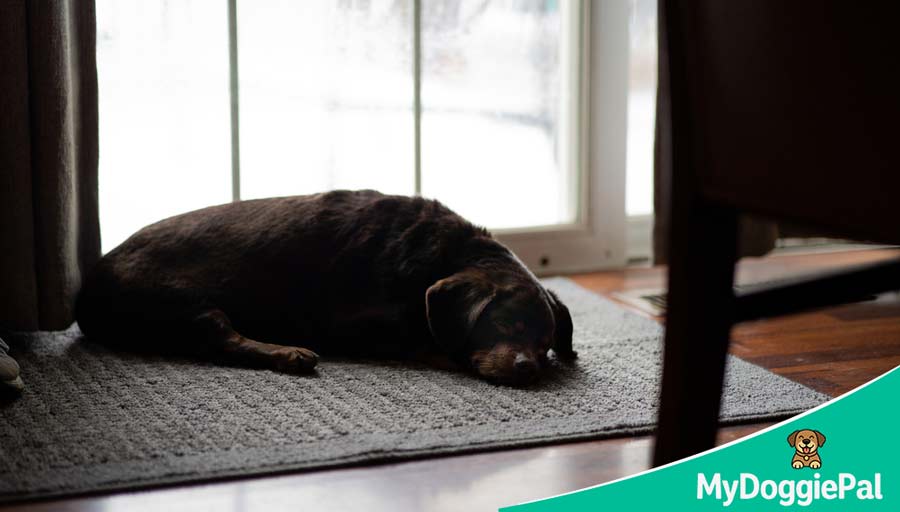
Yes, most dogs sleep more in winter. There is a real biological reason behind it, not just folklore.
This guide covers the light, activity, and pressure mechanisms behind dog seasonal sleep changes, the seasonal affective disorder question, the difference between true winter sleepiness and post-holiday routine disruption, and how to keep a healthy routine through darker months.
Do Dogs Sleep More in Winter?
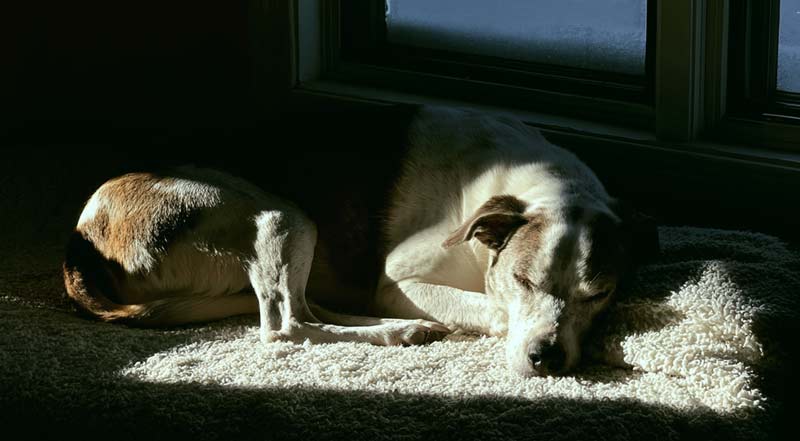
Yes, modestly. Most dogs sleep somewhat more in winter than summer, typically an extra 30 minutes to an hour or so per day.
This is not hibernation. The dog hibernation myth gets repeated often, but dogs do not enter any dormant state or stop functioning. The behavior simply resembles hibernation on the surface.
The resemblance exists for a real evolutionary reason. For most of canine history, winter meant scarcity: less food, harder hunting conditions, fewer reasons to expend energy. Dogs that conserved calories during lean months survived better.
That instinct to slow down when resources and daylight shrink is still present, even though a modern dog with a full bowl and a heated home doesn’t need it anymore. It is energy-conservation instinct, not biological dormancy.
This seasonal shift is mostly about how much a dog sleeps and when, not a change in the deep structure of their sleep itself. The underlying sleep cycle, the balance of deep restorative sleep and dreaming REM sleep, stays largely the same. Only the total amount and timing shift with the season.
Less Daylight, Dog Tired: How Light Affects Seasonal Sleep
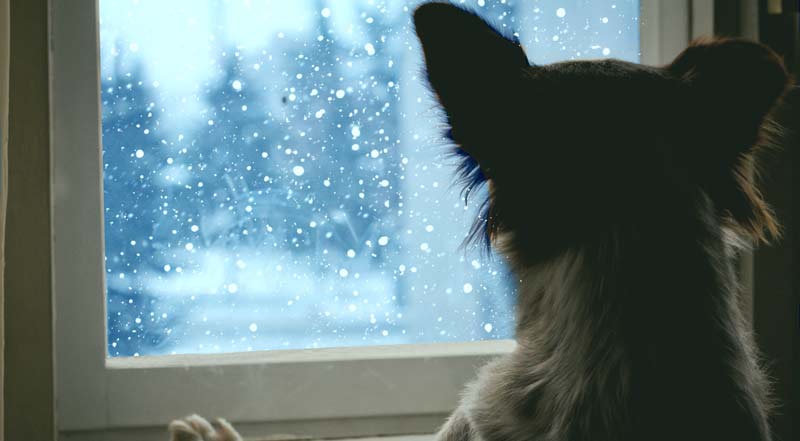
Dogs’ circadian rhythm, like ours, responds directly to light exposure. Shorter winter days mean less light triggering wakefulness during the day and earlier darkness triggering melatonin release in the evening.
According to Animal Wellness Magazine, reduced daylight affects melatonin production in dogs the same way it does in humans. Veterinarians quoted by Kinship confirm that reduced daylight decreases serotonin and increases melatonin, producing lower energy and a sleepier mood.
The net effect: the daily window of daylight alertness shrinks, and dogs adjust their sleep-wake cycle accordingly. For the full science of how light affects dog sleep, see our guide on light, darkness, and dog sleep quality.
Winter also typically brings shorter walks and less outdoor playtime. Less energy expended during the day means less physiological pressure to be active, and more inclination to rest.
There is a third, less obvious driver: barometric pressure. Pressure changes around storms or overcast weather can affect joints and muscles the same way they affect people with arthritis, leading to achiness and a stronger pull toward rest.
According to the Institute for Environmental Research and Education, this is particularly relevant for senior dogs and dogs with existing joint sensitivity, and it can cause sleep increases on specific days that aren’t explained by light or temperature alone.
Dog SAD: Do Dogs Get Seasonal Affective Disorder?
There is no formally recognized clinical diagnosis of dog SAD the way there is seasonal affective disorder in humans.
Some veterinarians believe dogs can show SAD-like symptoms: increased sleep, lower energy, and mild mood changes during darker months, linked to the same melatonin and serotonin pathways affected in human SAD.
This remains a debated and under-researched area, not a settled fact.
GRADUAL OR SUDDEN? THE REAL TEST
The most reliable way to judge whether what you’re seeing is normal is timing and pattern, not severity alone.
Gradual and seasonal: sleep increases slowly across several weeks as the days shorten. The dog still eats normally, still engages when invited to play, and shows some day-to-day variation. This is the expected pattern and needs no action.
Sudden and out of step with the season: sleep changes sharply over a few days, paired with appetite loss, withdrawal, reduced interest in walks, or general flatness regardless of stimulation. This deserves a vet check, regardless of the time of year.
Dog Sleep Summer vs Winter: What Actually Changes
Both seasons can increase sleep, just for opposite physiological reasons. Winter sleep increases are about energy conservation and reduced light. Summer sleep increases on very hot days are about heat dissipation and avoiding overheating.
| Factor | Summer | Winter |
|---|---|---|
| Total daily sleep | Similar, can rise on very hot days | Slightly higher on average (30 to 60 min more) |
| Primary driver | Heat avoidance and cooling | Energy conservation and reduced light |
| Daytime activity | Higher overall, lower during peak heat | Lower, shorter daylight window |
| Heat-seeking behavior | Seeking cool surfaces, shade | Seeking warm spots, burrowing |
| Evening settle time | Later (longer daylight) | Earlier (earlier darkness) |
| Most affected dogs | Brachycephalic and thick-coated breeds | Senior, small, or short-coated breeds |
None of this is hibernation in either direction. It is the same dog recalibrating to two very different sets of seasonal demands. If your dog’s sleep increase feels more significant than seasonal, see our guide on why dogs sleep so much.
Winter Sleepiness or Holiday Routine Disruption? How to Tell the Difference
A lot of what owners attribute to winter sleepiness in January specifically is not actually about light or temperature. It’s about the household routine changing.
IS IT REALLY WINTER, OR IS IT JANUARY?
During the festive period, many dogs get used to a full house: extra people, extra fuss, extra attention, and a disrupted schedule.
When that suddenly stops in January and the house goes quiet again, dogs can react with reduced engagement and increased sleep, not because of the season, but because of the abrupt change in social stimulation and routine.
According to Blue Cross, many owners report dogs sleeping more and losing appetite in winter, but this is more likely linked to the change in routine over the cold months than to true seasonal affective disorder.
How to tell which one you’re dealing with:
- Genuine seasonal shift: sleep increase is gradual, tracks with shortening days, and is consistent regardless of household activity
- Routine disruption: sleep change appears sharply right after a holiday period ends, alongside a sudden drop in attention, visitors, or structure, and often improves once a normal routine resumes for a week or two
The fix for routine disruption is different from the fix for seasonal sleepiness. Rebuilding a consistent daily structure of walks, meals, and attention matters more here than daylight exposure.
How to Keep Your Dog’s Routine Steady in Winter
- Maintain consistent walk times even if it’s dark earlier. Use reflective gear and a well-lit route rather than skipping or significantly shortening walks
- Add daytime light exposure where possible. A walk around midday when light is strongest helps regulate the circadian rhythm
- Keep mealtimes and bedtime consistent regardless of the season. Routine matters more than the clock
- Rebuild structure after the holidays gradually rather than abruptly, to soften the adjustment described above
- Add indoor enrichment on the darkest, coldest days. Puzzle feeders, short training sessions, and play compensate for reduced outdoor time
- Watch for the gradual vs sudden distinction from earlier. If sleep increases sharply or your dog seems flat rather than just slightly quieter, a vet check is reasonable
The Bottom Line
Yes, dogs sleep more in winter, driven by less daylight, less activity, and sometimes barometric pressure. Not hibernation.
Some of it might actually be January routine disruption rather than the season itself. A consistent routine and daytime light exposure keep the shift mild and manageable.
For everything about dog sleep in one place, visit our complete guide to dog sleep.