
Ever looked at your dog curled up, snoring softly, and thought, “Do they really need that much sleep?” You’re not alone. We’ve all wondered why our furry friends can nap for hours, wake up for five minutes, then go right back to snoozing like nothing happened.
Here’s the thing:
Sleep is everything to a dog. It fuels their energy, shapes their mood, and keeps them healthy inside and out. Dogs don’t just crash out because they’re lazy. They rest to recover, to grow, and sometimes… just because they love feeling safe and cozy beside you.
But here’s where many owners get confused:
How much sleep is too much? And how do you know if your dog’s sleep pattern is normal?
Let’s make this simple.
Every dog has its own rhythm, just like humans
- Puppies sleep like tiny, fluffy babies because they’re growing nonstop.
- Adult dogs balance naps with bursts of activity.
- Seniors sleep longer because their bodies need more rest to recover.
Understanding what’s normal can save you a lot of worry (and maybe a few late-night Google searches). Because once you know how your dog’s body works, you’ll stop guessing and start noticing the little signs that say “I’m healthy,” or “I’m not okay.”
So, before we dive into sleep hours, REM cycles, and dreamy twitching paws, let’s answer one simple question first.
Table of Contents
ToggleDo Dogs Actually Sleep?
You’ve probably seen it a hundred times; your dog stretched out on the floor, eyes half-open, tail twitching, maybe even letting out a deep sigh. And you wonder, “Is he really asleep… or just pretending?”
The truth? Yes, dogs really sleep and they need it just as much as we do. But they don’t sleep like us.
While humans get one long block of rest each night, dogs are polyphasic sleepers, meaning they nap on and off throughout the day. They drift in and out of light and deep sleep, sometimes twenty times or more in 24 hours.
You might notice your dog suddenly springing up from a nap at the faintest sound and that’s because their brains are built to stay slightly alert. It’s a leftover instinct from their wild ancestors who needed to react quickly to danger.
So even when they’re snoring, a part of their brain is still on guard, ready to protect you (and maybe the treat cupboard).
Here’s how to tell when your dog is truly sleeping – not just resting with eyes closed:
- Slow, steady breathing
- Muscles relaxed
- Paws twitching gently
- Ears drooping or still
- No response to your quiet movements
When you see these signs, let them be. That peaceful rest is when their body heals, grows, and stores memories. Kind of like how we recharge after a long day.
Pretty amazing, right?
Dogs don’t just nap; they recover, dream, and reset. And the more we understand that, the better we can care for them.
Now that we know dogs really do sleep, the next big question is: how long should they sleep?
How Long Should Dogs Sleep?
Here’s a little truth bomb:
Most dogs sleep way more than we think. And that’s not laziness; it’s biology.
While we humans push through our days on six or seven hours of sleep (and caffeine), dogs don’t work like that. The average adult dog sleeps 12 to 14 hours a day.
Yep, that’s half their life spent dreaming, snoring, or dozing in the sun.
But before you worry, that’s totally normal. Their bodies are designed for short bursts of activity followed by long, peaceful rest. Think of it like this, they go all in when they play, explore, or guard your home, and then they recharge completely.
Of course, not all dogs follow the same rhythm.
A few things change the pattern:
- Age: Puppies and seniors need extra hours, their bodies demand more recovery.
- Breed: Big dogs (like Mastiffs or Great Danes) tend to sleep longer than small, energetic ones.
- Lifestyle: A working dog that stays busy sleeps less during the day but deeper at night.
- Weather & routine: Rainy days or colder months can turn even the most active dog into a champion napper.
To put things in perspective, here’s a quick comparison:
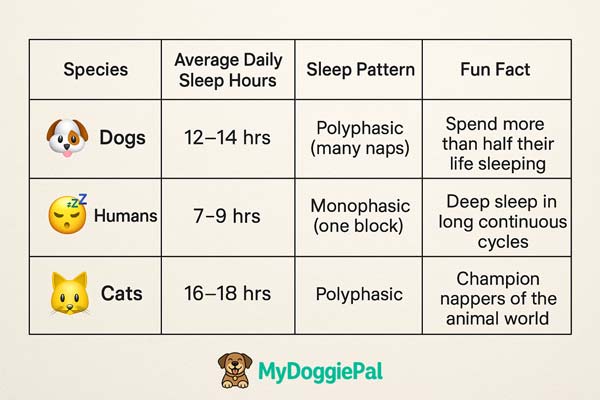
See? Dogs are right in the middle
Not as restless as humans, not as sleepy as cats, but still masters of the mid-day nap.
So, if your dog spends half the day snoozing, don’t panic. They’re not bored, they’re just recharging.
But if your dog’s pattern suddenly changes, sleeping far more or far less than usual, it’s worth paying attention.
Sleep tells stories. It’s how the body whispers, “I’m fine,” or “Something’s not right.”
How Much Do Adult Dogs Sleep?
If you’ve got a grown-up dog, you’ve probably noticed one thing; they love their naps. A healthy adult dog sleeps around 12 to 14 hours a day, give or take. That’s normal, expected, and honestly… kind of enviable.
But here’s the thing; it’s not just about how long they sleep, it’s about how well.
Adult dogs usually have a clear rhythm: bursts of energy for walks, play, or guarding, followed by long, calm rest periods. They’ll nap during the day, then sleep deeper and longer at night especially when their home feels quiet, safe, and predictable.
You might see patterns like this:
- 🕗 Morning: Short nap after breakfast and walk.
- 🕓 Afternoon: Deepest daytime sleep (the “do-not-disturb” nap).
- 🌙 Night: 8–10 hours of solid rest, often matching your sleep schedule.
Still, there are a few things that can change how much your adult dog sleeps:
- Breed – Big dogs sleep more. Think Great Danes, Mastiffs, and Newfoundlands. Small dogs like Terriers? Not so much. They’re alert and light sleepers.
- Lifestyle – Working dogs or active pets who get lots of exercise usually nap less but sleep more deeply.
- Diet & Health – Overfeeding or poor nutrition can make them sluggish, while health issues like pain or anxiety can cause restless nights.
- Routine – Dogs love patterns. A predictable daily schedule = calmer sleep.
If your dog seems to nap a little more some days, that’s fine. They might just be catching up, just like we do after a busy week. But if you notice big changes like sleeping all day, skipping meals, or acting low-energy, that could signal something deeper, like boredom, illness, or depression.
💡 A Quick Tip: Create a calm bedtime routine.
Turn down the lights, speak softly, and make their bed cozy. Over time, those little cues tell their brain, “It’s time to rest.”
How Does a Dog’s Sleep Pattern Change with Age?
If you’ve had your dog since puppyhood, you’ve probably noticed how their sleeping habits change as they grow. From the tiny furball who could barely keep their eyes open to the calm adult who picks their favorite nap spots around the house.
Just like people, dogs’ sleep patterns evolve with age. Their needs shift from growth and development to rest and recovery.
Let’s break it down:
Puppies: Sleep Like Babies (Because They Are!)
Puppies are adorable little sleep machines. They can sleep 18 to 20 hours a day, sometimes even more after a play session.
Their bodies and brains are growing fast, learning new smells, sounds, and routines takes a lot out of them. Sleep helps them build memory, strengthen bones, and develop emotional stability.
You might notice your pup passes out mid-play or curls up right after eating – totally normal.
Puppies fall asleep anywhere, anytime, and wake up full of energy, like tiny furry rockets.
💡 Tip: Let puppies nap whenever they want. Don’t overstimulate them, rest is how they grow strong and confident.
Adults: Balanced Sleep and Activity
Once they reach adulthood, dogs settle into a steady rhythm, about 12 to 14 hours a day of rest.
They’re more alert, they play in focused bursts, and their sleep becomes deeper at night.
You’ll notice clear patterns forming: morning naps, afternoon snoozes, and full nights of rest.
Healthy adult dogs can adapt to your routine, which is why many start matching their sleep to your bedtime.
💡 Tip: Keep routines predictable – meals, walks, and bedtime around the same time. Adult dogs love structure.
Senior Dogs: More Naps, Lighter Sleep
As dogs age, their bodies slow down and their need for rest increases.
Senior dogs often sleep 16 to 20 hours a day, not because they’re bored, but because recovery takes longer.
Their sleep also becomes lighter and more fragmented. They may wake often to shift positions or go out for a quick potty break.
You might notice your older dog finding warm, soft corners or sticking closer to you at night. That’s their way of staying comfortable, and feeling safe.
💡 Tip: Give senior dogs orthopedic beds, easy access to water, and a calm environment. They need support, not stimulation.
Do Dogs REM Sleep? The Science Behind Dog Sleep
You must have seen your dog do that little twitch-twitch-whimper thing in their sleep and thought, “What on earth are they dreaming about?”
Well, here’s the fun part; science actually has answers.
Dogs experience sleep cycles, just like we do. They drift from light dozing into deep rest and then into the mysterious world of REM (Rapid Eye Movement) sleep – where dreaming happens. But their cycles are shorter. Instead of long stretches like humans, dogs flip through these stages multiple times throughout the day.
So when you see your dog’s paws moving, eyes fluttering, or nose twitching, that’s REM in action. They’re not having random spasms, they’re dreaming.
Researchers at Harvard and MIT have even suggested that dogs replay their daily memories during sleep.
That means your pup might be reliving today’s walk, a play session, or that glorious moment when they finally caught the squeaky toy.
And it gets even more fascinating:
Dogs’ brains actually light up like ours during REM. Their heart rate changes, breathing deepens, and neurons fire in patterns almost identical to human dream states. It’s one more way we’re alike than we realize.
But REM isn’t all there is.
Here’s how the typical dog sleep cycle breaks down
- Light sleep (Stage 1–2): Muscles relax, but they stay semi-alert.
- Deep sleep (Stage 3–4): Body repairs itself; growth and recovery happen here.
- REM sleep: The dream phase where the brain organizes memories, emotions, and learning.
Dogs spend about 10–12% of their total sleep in REM, compared to humans at around 25%. That’s why they need more total sleep hours to feel fully rested.
It’s not just adorable – it’s essential.
During sleep, your dog’s body produces hormones, strengthens immunity, and resets emotionally. Without proper sleep, dogs can become moody, forgetful, or even anxious – just like us after a few bad nights.
So next time you see your pup kicking, whining softly, or wagging in their dreams, smile. That’s their brain doing maintenance storing love, play, and trust.
And speaking of REM sleep and dreaming… let’s go a little deeper.
If dogs can dream… then the next question is obvious:
What do Dogs Dream About?
Here’s something that’ll melt your heart.
Experts believe dogs often dream about their owners.
Your voice, your scent, the way you scratch behind their ears – all of that can replay in their mind as they drift into deep, trusting sleep. It’s like their way of saying, “I miss you, even in my dreams.” 
You might notice that puppies dream more than adults. That’s because their brains are processing so many new things – every sight, sound, and smell.
Older dogs dream too, but their dreams are slower, gentler – more about memories than exploration.
So yes, your dog dreams.
And every soft twitch, wag, or sleepy sigh is proof that their world is just as rich and emotional as ours, maybe even more so.
But not every dream is sunshine and playtime.
Sometimes, dogs have bad dreams too and that can look a little scary.
Do Dogs Have Nightmares When They Sleep?
It’s hard to watch, isn’t it?
Your dog’s breathing quickens, paws jerk, maybe they whine or whimper in their sleep and you wonder,
“Is my dog having a nightmare?”
The truth is, yes, dogs can have bad dreams.
Just like people, they relive experiences and emotions while they sleep. Sometimes those dreams are joyful (running in a field, chasing a ball). Other times, they reflect fear, confusion, or stress.
Dogs that have been through trauma, abandonment, or loud frightening events like fireworks or thunderstorms are more likely to experience nightmares.
It’s their brain trying to process fear and make sense of it.
You might notice signs such as:
- Whimpering, whining, or growling softly
- Sudden twitches or tail tucks
- Paddling paws or jerky movements
- Heavy breathing or shivering
And here’s the key part:
💡 Don’t wake your dog abruptly.
It might seem kind, but waking them suddenly can startle them and in rare cases, cause them to snap instinctively from fear. Instead, speak softly, call their name gently, or make a quiet soothing sound until they settle.
Once they wake, let them see your face, feel your hand, and know they’re safe. That reassurance tells their mind, “It’s okay. You’re home.”
If nightmares happen often, it could mean your dog is anxious or not sleeping deeply enough. You can help by:
- Keeping their sleep environment calm and dark
- Avoiding loud noises or overstimulation before bed
- Using calming aids (like lavender sprays or soft music)
- Talking to your vet if the dreams seem intense or frequent
Remember, dogs dream because they feel. Their hearts, just like ours, hold onto memories – good and bad. The beautiful part is, over time, with love and safety, even the worst dreams begin to fade.
And if bad dreams can shake them, it makes you wonder :
Can dogs ever get stuck between dreaming and waking, like sleep paralysis in humans?
Can Dogs Have Sleep Paralysis?
It sounds scary, doesn’t it? That idea of being awake but unable to move. Humans can experience it, but can dogs?
The short answer: It’s rare, but possible.
Sleep paralysis happens when the body is still “locked” in sleep mode while the brain wakes up. Muscles remain relaxed, even though awareness has kicked in.
For dogs, this can occur during transitions between deep sleep and waking, especially if they’re startled or wake too suddenly from a dream.
Here’s what it might look like:
- Your dog’s eyes are open, but they’re not moving yet.
- Breathing is slow and shallow.
- It lasts a few seconds, then they suddenly twitch, stretch, or shift.
Most of the time, it’s harmless and passes quickly. It’s simply the body finishing its REM cycle before movement returns.
Important note: True sleep paralysis in dogs is extremely uncommon.
In many cases, what looks like paralysis is actually just deep REM sleep, where their body naturally stays still to prevent acting out dreams. It’s how nature protects them from hurting themselves while “chasing” something in their dreams.
However, if your dog frequently seems frozen, unresponsive, or disoriented after naps, or if they collapse suddenly while awake – that’s not normal sleep paralysis. It could point to a medical issue, such as:
- Narcolepsy
- Seizure disorders
- Low blood sugar (especially in small breeds)
- Neurological conditions
If you’re ever unsure, record what you see and show it to your vet. They can tell whether it’s normal REM behavior or something needing attention.
For most dogs, though, those still, peaceful moments aren’t paralysis, they’re just deep rest. Their body is saying, “Don’t move, I’m recharging.”
And since we’re talking about sleep issues, there’s another one that many dog parents never realize exists, one that’s surprisingly common in older or overweight dogs.
Can Dogs Get Sleep Apnea?
Yes, they can.
Sleep apnea isn’t just a human thing; dogs can suffer from it too, especially certain breeds and older pups. It’s a sleep disorder where breathing repeatedly stops and starts during rest, interrupting their deep, restorative sleep.
You might not always notice it right away, but the signs are there if you know what to look for.
Common symptoms include:
- Loud, chronic snoring (not just the cute kind)
- Gasping or choking sounds while sleeping
- Waking suddenly, often restless or confused
- Daytime sleepiness, fatigue, or lack of interest in play
- Pauses in breathing, sometimes several seconds long
Here’s the reason behind it:
During sleep, especially in REM, throat muscles relax. In dogs with narrow airways or extra tissue, this can cause the airway to collapse temporarily – cutting off air. The brain wakes them up briefly to restart breathing, which keeps them from reaching deep sleep.
Over time, that means your dog is never truly rested. They might act sluggish, irritable, or anxious, all from poor-quality sleep.
If you suspect sleep apnea:
- Schedule a vet check-up. They may recommend X-rays or airway exams.
- Maintain your dog’s healthy weight. Even small reductions in fat around the neck can ease airflow.
- Use a cool, quiet, upright sleeping position. Some dogs breathe better with their head elevated.
- Avoid smoking or heavy scents around your dog’s sleeping area. Clean air makes a big difference.
Severe cases might need surgical correction or a veterinary breathing aid, but most dogs improve with lifestyle and environmental adjustments.
Remember, good sleep is about good breathing.
A dog who snores occasionally is fine. A dog who struggles to breathe while sleeping? That’s your cue to act.
And now that we’ve explored what happens inside your dog’s sleeping brain, the dreams, the twitches, the occasional snores. It’s time to see how breed and size change everything.
Dog Sleep by Breed
If you’ve ever compared a hyper Terrier to a snoozy Mastiff, you already know, not all dogs sleep the same.
Some are wired to nap all day, others treat rest like an afterthought. Breed, size, and even personality all play a big part in how, when, and how much your dog sleeps.
Why?
Because dogs were bred for different purposes and those instincts still show up, even at bedtime.
Let’s look at the key differences.
Small vs Large Breeds
Small dogs (like Chihuahuas, Terriers, and Dachshunds) tend to sleep less overall. They’re light sleepers, quick to react to noises, footsteps, or that one mysterious sound three houses away.
Their small size means faster metabolism and shorter rest cycles.
They nap often but wake easily.
Big dogs, on the other hand, are professional nappers. Think Great Danes, Mastiffs, and St. Bernards, they can sleep up to 18 hours a day.
Their slower metabolism and heavier frames mean they burn more energy moving around, so they need longer stretches of rest to recover.
💡 Fun Fact: In the dog world, bigger really does mean sleepier.
Working vs Companion Dogs
Working breeds, like Border Collies, Huskies, and German Shepherds were bred to stay alert and active. Their bodies are built for endurance, not lounging. So they often sleep less during the day but crash hard at night.
If they don’t get enough exercise or mental stimulation, though, they can become restless or anxious, making it harder to settle down.
Companion breeds like Pugs, Cavaliers, or Shih Tzus, are born snuggle buddies. They’re content napping near you, often syncing their schedule with yours. Their whole lifestyle revolves around comfort, closeness, and routine.
💡Tip: Match your dog’s energy type to your own. A working dog in a low-activity home might struggle to sleep peacefully because their mind and body aren’t fully used up.
Top 10 Sleepiest Dog Breeds
Some breeds are basically “nap royalty.” Here are the top contenders:
| Breed | |
|---|---|
| Mastiff | Can sleep up to 18–20 hours a day. |
| St. Bernard | Calm, heavy sleepers who love soft spaces. |
| Great Dane | Gentle giants who recharge often. |
| Newfoundland | Big bodies, big hearts, big naps. |
| Basset Hound | Lazy charmers with long, droopy dreams. |
| Bulldog | Famous for snoring symphonies. |
| Greyhound | Surprisingly lazy off the racetrack! |
| Cavalier King Charles Spaniel | Total cuddle addicts. |
| Shih Tzu | Nap champions that love routine. |
| Pug | Small dog, big sleep energy. |
No matter the breed, one thing stays true; a dog’s sleep reflects their nature.
Energetic breeds rest less because they’re built to move. Gentle, heavy-bodied dogs rest more because they’re built to endure.
And understanding that balance helps you meet your dog where they are instead of worrying about what’s “normal.”
Now that we’ve explored how breeds and size affect sleep, let’s shift to one of the most adorable (and challenging) topics of all…
Puppy Sleep Problems and Solutions
Ah, puppies. Tiny bundles of joy by day… and little chaos gremlins by night.
Puppies sleep a lot, up to 18–20 hours a day but not always when you want them to.
Their sleep patterns are still developing, their bladders are small, and the world around them is brand-new. Every sound, smell, and shadow can feel exciting or even a little scary.
The result? Naps everywhere. Whining at midnight. Random bursts of energy at 2 a.m.
Sound familiar?
Let’s break it down and fix it.
Why Won’t My Puppy Sleep at Night?
You tuck your puppy in. Lights off. Silence.
Then… the whining starts. The scratching. The little cry that says, “I can’t do this alone.”
If you’ve been there – tired, frustrated, and wondering what went wrong – take a breath. Your puppy isn’t being naughty. They’re just adjusting.
Let’s look at what’s really going on.
Common Reasons Puppies Struggle to Sleep
- Separation Anxiety (missing mom or siblings)
Your pup spent every night surrounded by warmth, fur, and heartbeats. Suddenly, they’re alone in a quiet house and it feels scary. - New Environment (unfamiliar smells and sounds)
The world smells different. The floor feels different. Even the night noises are strange. Every sound – a door creak, a fridge hum – can make them lift their head and wonder, “What’s that?” - Over-tiredness or Overstimulation
Ironically, puppies often fight sleep when they’re too tired. Rough play or exciting toys right before bed can make it impossible for them to settle. - Frequent Bathroom Needs
Tiny bladders can’t hold it all night. If your puppy’s tossing, turning, or whining after a few hours, they might simply need a toilet break
What’s Normal vs What’s Concerning
Normal Restlessness:
A bit of whining, changing positions, or waking once or twice to go potty that’s expected in the first few weeks.
Problematic Restlessness:
Constant pacing, crying for hours, or refusing to settle even when calm and tired – that could mean anxiety, hunger, or discomfort. In that case, rule out pain or health issues with your vet.
Calming Bedtime Tips
You can help your puppy sleep soundly by creating a calm, cozy nighttime setup:
- Quiet environment: Turn off TVs, loud music, or noisy fans.
- Dim lighting: Low light helps their brain know it’s bedtime.
- Soft background sound: A white-noise machine or gentle hum mimics the comfort of a litter.
- Consistent bedtime: Same time every night builds trust and rhythm.
- Familiar scent: A blanket or toy from their breeder or old home can make them feel safe.
And here’s the best part, you can teach them that nighttime is safe and peaceful.
A crate can actually become their safe little den if you train it right.
How to Crate-Train for Better Sleep
Crate training isn’t about control, it’s about comfort.
For dogs, a crate can feel like their personal den: safe, warm, and all theirs.
It’s where they can curl up, breathe deeply, and know the world outside can wait until morning.
But it takes patience. You can’t rush trust.
Here’s how to make your puppy love their crate and sleep soundly inside it.
Step-by-Step Crate Comfort
1. Start slow: Place the crate somewhere quiet but close to you. Let your puppy explore it with the door open. Toss in a few treats or their favorite toy – make it a discovery, not a demand.
2. Make it positive: Feed meals or offer chew toys inside the crate so it smells like safety and satisfaction. The goal is for your pup to think, “Good things happen here.”
3. Close the door gently: Once they’re comfortable, close the door for a few minutes while you stay nearby. Praise calm behavior. Open it before they get restless. Slowly build up time inside.
4. Keep nights calm: Put a soft blanket or piece of clothing with your scent inside. A small night-light or quiet hum (fan, white noise) can soothe nervous pups during those first few nights.
💛 A well-introduced crate becomes a cozy bedroom, not a cage.
Common Mistakes to Avoid
1. Locking too early: Closing the door before your puppy feels safe can cause panic. They need time to associate the crate with comfort first.
2. Using the crate as punishment: Never send your dog to the crate for “bad behavior.” That breaks trust and turns a safe zone into a scary one. The crate should always mean calm and positive feelings.
3. Ignoring whining completely: Yes, you shouldn’t rush to them every time but don’t ignore them altogether. Puppies cry for a reason: fear, cold, or bathroom needs.
The trick is to respond calmly, not emotionally.
Speak softly, wait a few seconds before opening the door, and reward silence with gentle reassurance.
Crate training takes time, but once your puppy understands it’s their own space, everything changes. They’ll walk in on their own, sigh deeply, and drift off feeling safe.
And once they start sleeping soundly through the night, you will too.
Now that you’ve created a peaceful bedtime setup, there’s one more hurdle most puppy parents face those late-night whimpers and cries that tug at your heart.
How to Stop Night Whining
That soft crying at night?
It’s heartbreaking – and normal.
It’s your puppy’s way of saying, “Where’s everyone? I’m not sure about this.”
Here’s how to help:
- Respond calmly, not instantly. Wait a few moments, rushing in can teach them that whining = attention.
- Comfort with your voice. Speak softly before opening the crate; let them hear reassurance first.
- Check real needs. If it’s been a few hours, they might just need the toilet.
- Use gentle background noise. A soft fan or white-noise machine can mask outside sounds.
Patience is everything. Within a couple of weeks, your puppy learns: nighttime is for sleeping, not worrying.
Puppy sleep struggles can be exhausting but they pass.
Once your little one feels safe, understands routine, and trusts that you’ll always come back, they’ll start sleeping soundly (and so will you).
Health Conditions That Affect Dog Sleep
Sometimes, it’s not just a bad habit or a noisy night. A dog’s sleep pattern can tell you something important about their health.
If your dog suddenly starts sleeping more than usual, has trouble settling, or seems restless all night, it’s worth paying attention.
Just like humans, dogs’ sleep can be disrupted by pain, anxiety, illness, or discomfort.
You don’t need to panic – but you do need to listen.
Let’s look at the most common health-related reasons dogs struggle to get good rest.
Pain, Arthritis & Aging
As dogs grow older, their joints stiffen, and lying down can become uncomfortable. That’s why you might see your senior dog changing positions often, panting, or pacing before settling.
Arthritis, hip dysplasia, and joint inflammation are major culprits behind broken sleep in older pups.
💡 What helps:
- Orthopedic or memory foam beds
- Warm, quiet rooms free of drafts
- Gentle evening massages or vet-approved pain relief
- Keeping their bed close to you for comfort
You can’t stop aging but you can make it softer, warmer, and more peaceful.
Anxiety or Depression
Dogs feel emotions deeply. Stress, separation anxiety, or grief can all mess with their sleep.
A dog that’s anxious might pace, whine, bark at night, or refuse to settle especially when alone.
💡 What helps:
- Calming bedtime routines (soft voice, dim light, short cuddle)
- Consistent daily structure – dogs find peace in routine
- Natural calming aids (lavender sprays, pheromone diffusers, calming treats)
- Never punishing nighttime behavior, it increases fear
Sometimes, dogs just need time and reassurance to find calm again.
Sleep Apnea & Obesity
We talked earlier about sleep apnea, it’s a serious condition, especially in flat-faced breeds and overweight dogs.
Interrupted breathing at night keeps them from reaching deep sleep, leading to fatigue, loud snoring, and restless tossing.
💡 What helps:
- Keep your dog at a healthy weight
- Use a slightly elevated head position when sleeping
- Regular vet check-ups for airway or breathing issues
- Avoid overfeeding and late-night heavy meal
Better breathing = better sleep.
Allergies & Breathing Issues
Dogs with skin allergies or nasal congestion often struggle to get comfortable. Itchy skin, sneezing, or wheezing can keep them awake for hours.
If your dog’s scratching, licking paws, or shaking ears through the night, allergies might be stealing their sleep.
💡 What helps:
- Wash bedding regularly in fragrance-free detergent
- Vacuum often (dust mites trigger itching too)
- Talk to your vet about antihistamines or hypoallergenic diets
- Keep sleeping areas clean and scent-free
Vet Tip: When to Call Your Vet
Call your vet if your dog:
- Suddenly starts sleeping much more or much less than usual
- Wakes frequently and can’t get comfortable
- Snores loudly or gasps in sleep
- Seems lethargic, low appetite, or uninterested in play
- Cries, pants, or shakes during the night
Sometimes, sleep problems are your dog’s way of whispering, “Something hurts.”
Healthy sleep is a reflection of a healthy body.
And when sleep goes wrong, it’s not just about tiredness, it’s about well-being.
Now that we know how health affects rest, let’s look at something simpler but equally powerful how food, exercise, and routine shape your dog’s sleep quality.
How Diet and Exercise Affect Dog Sleep
Good sleep starts long before bedtime.
What your dog eats, and how active they are, has a huge impact on how well they rest.
Just like us, dogs can’t sleep soundly on a full stomach, an empty one, or after an adrenaline-packed play session right before bed.
Getting the balance right can turn restless nights into peaceful ones.
Feeding Schedule and Sleep Quality
Timing matters.
Dogs sleep best when their tummies are satisfied but not stuffed. Feeding too late can make them restless, while feeding too early can leave them hungry overnight.
💡 The sweet spot:
Feed your dog 2–3 hours before bedtime.
This gives their body enough time to digest comfortably before winding down.
Other simple feeding tips:
- Keep mealtimes consistent every day (routine = calm).
- Avoid high-fat or heavy meals before bed; they can cause indigestion or nighttime restlessness.
- Provide fresh water nearby but not so much that they’ll wake for bathroom breaks.
- Skip bedtime treats that are sugary or stimulating. Go for calming chews like pumpkin or turkey-based snacks instead.
Food fuels the body, but rhythm fuels rest.
Evening Exercise: Helpful or Harmful?
Movement is medicine for dogs. A good mix of physical and mental activity helps them fall asleep faster and stay asleep longer.
But the timing of exercise matters just as much as the activity itself.
Here’s the ideal rhythm:
- Morning: Longer walk or play session burn energy early.
- Evening: Gentle stroll or calm training time not intense play.
- Before bed: Light sniffing walk or cuddle session to relax.
Too much late-night excitement; chasing balls or wrestling floods their system with adrenaline. That can make your dog wired instead of tired.
Think of exercise like a natural sleep aid: it works best when balanced and consistent.
Daily Routine for Optimal Rest
Dogs thrive on predictability.
When meals, walks, and bedtime happen around the same time every day, their body learns a rhythm and their brain starts releasing sleep hormones automatically when it’s time to wind down.
Here’s a simple example you can follow:
| Time of Day | Activity | Purpose |
|---|---|---|
| 7:00 AM | Morning walk + breakfast | Burn energy, set calm tone for the day |
| 12:00 PM | Short play or nap | Balanced midday rest |
| 5:00 PM | Evening walk + dinner | Healthy digestion before bedtime |
| 8:00 PM | Quiet cuddle or wind-down | Transition to rest |
| 10:00 PM | Bedtime | Deep, consistent sleep |
💡 Dogs who follow a steady rhythm sleep deeper, bark less at night, and wake more refreshed.
Healthy habits, food, movement, and structure work together like a peaceful bedtime recipe.
And when everything’s in sync, your dog won’t just sleep better… they’ll feel better too.
But how do you know when something’s off when all the good habits aren’t helping, and your dog still seems restless?
Signs of Poor Sleep in Dogs (and What To Do)
You know that feeling when you haven’t slept well for a few nights?
You’re cranky, foggy, and everything feels off.
Dogs go through the same thing.
When your dog isn’t sleeping properly, it shows in their behavior, energy, and even their body.
They can’t tell you “I’m tired”, but their actions often do.
Here’s how to notice the signs before a small problem turns into a bigger one.
Common Signs Your Dog Isn’t Sleeping Well
Restlessness or Frequent Waking
If your dog constantly shifts positions, paces, or wakes several times a night, something’s off. Pain, discomfort, or anxiety are often behind it.
Panting or Whining at Night
Dogs don’t pant just because they’re hot. It can be a sign of stress, discomfort, or even pain. If this happens often, talk to your vet.
Changes in Sleeping Positions
Dogs that can’t settle may keep flipping between positions to ease pain or find comfort. Watch for stiffness, limping, or hesitation when lying down.
Excessive Daytime Napping
It’s normal for dogs to nap but if they seem constantly drowsy, uninterested in play, or sleep more than 18–20 hours a day (for adults), it could mean low mood, illness, or lack of stimulation.
Irritability or Mood Changes
A tired dog can become snappy, clingy, or withdrawn just like a sleep-deprived person.
Loss of Appetite or Energy
When sleep quality drops, metabolism and mood follow. A dog who’s not sleeping well may eat less and move less.
What These Signs Can Mean
Sometimes poor sleep points to simple causes – too much noise, hunger, late play, or an uncomfortable bed.
But it can also signal underlying issues like:
- Joint pain or arthritis
- Stress or separation anxiety
- Health conditions (thyroid, infections, etc.)
- Sleep disorders like apnea or restless sleep
So don’t brush it off. If it’s lasting more than a few days, it’s worth checking.
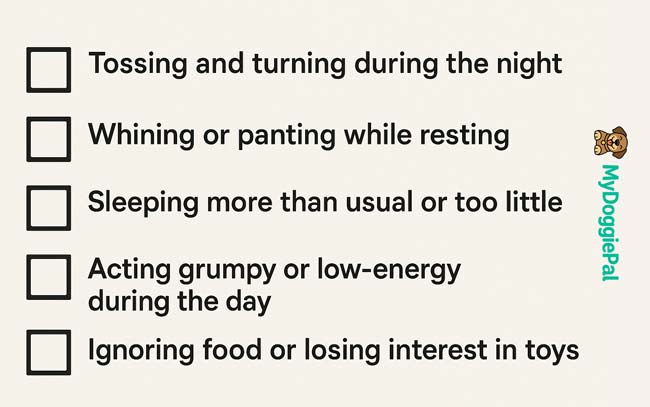
If you checked one or more boxe, it’s time to make small changes.
What You Can Do
- Check the basics first: Is their bed comfy? Is the room quiet, cool, and dark?
- Establish a bedtime routine: Same steps, same tone, every night.
- Adjust food and exercise times: Don’t feed too late or play too close to bedtime.
- Provide security: Keep their bed near you or use a crate if it makes them feel safe.
- Track their sleep: Note patterns for a week, changes can tell your vet a lot.
When you treat your dog’s sleep seriously, you’re not just helping them rest, you’re protecting their health.
Now, sometimes even with all the right care, your dog might still struggle to relax or sleep deeply.
That’s where gentle, natural solutions can help – safe, vet-approved ways to calm their mind and body.
Natural Sleep Aids for Dogs
Sometimes, despite your best efforts – cozy bed, calm home, perfect routine – your dog still can’t settle. They pace, pant, or stare at you with those tired eyes that say, “I want to rest, but I can’t.”
The good news? There are gentle, natural ways to help your dog relax and sleep better. No heavy sedatives, no side effects. Just calm, comfort, and care.
Let’s explore some of the most trusted options.
Herbal & Aromatherapy Options
Just like lavender helps people unwind, certain scents can also relax dogs.
Lavender, chamomile, and valerian root are known for their calming effects, easing tension and lowering heart rate naturally.
How to use:
- Use a pet-safe essential oil spray (never direct human-grade oils).
- Lightly mist their bed or blanket, not the air around their face.
- Or, try a diffuser in the corner of the room for gentle, steady scent release.
Tip: Always choose vet-approved, pet-safe aromatherapy blends. Dogs’ noses are far more sensitive than ours!
Calming Treats & Supplements
Sometimes, a bedtime snack can do more than just fill the belly, it can calm the mind.
Natural calming chews often include ingredients like:
- L-theanine (from green tea) – reduces stress and anxiety
- Chamomile & passionflower – promote relaxation
- Melatonin – supports healthy sleep cycles in some dogs (vet guidance needed)
How to use:
Give calming treats about 30–60 minutes before bedtime for best results.
Weighted Blankets & Pheromone Diffusers
Just like a gentle hug, weighted blankets provide deep pressure comfort, ideal for anxious or easily startled dogs.
They help your pup feel secure, reducing stress-related restlessness.
Pheromone diffusers (like Adaptil) mimic the scent mother dogs release when nursing. It signals safety and comfort to your dog’s brain – perfect for nighttime calm.
Many dog parents notice results within a few days – softer breathing, fewer whines, and deeper sleep.
Building Healthy Sleep Habits
Good sleep doesn’t happen by accident, for you or your dog.
It’s the result of routine, comfort, and trust.
When you build healthy sleep habits, you’re teaching your dog that bedtime means peace, not confusion. It’s one of the kindest things you can do for them (and for yourself).
Let’s go step by step.
How Do You Get a Dog to Sleep?
The secret is rhythm.
Dogs thrive on predictability – the same cues every night tell their brain it’s time to wind down.
Here’s what helps:
1. Create a pre-bed routine.
Keep it simple:
Short walk → bathroom break → water → cuddle or quiet time → bed.
Do it in the same order every night.
2. Choose a calm sleeping space.
Somewhere dark, warm, and away from loud noises.
Their bed should feel like a soft “den” – not too cold, not too bright.
3. Use soft signals.
Dim lights, quiet voice, maybe a gentle scent (like lavender or chamomile).
Avoid shouting, excitement, or loud TV before bedtime.
4. End the day peacefully.
Dogs mirror your energy, if you’re calm, they will be too.
When Do Dogs Sleep Through the Night?
Most adult dogs can sleep through the night usually from around 6 to 8 months of age once their bladder control and confidence improve.
Puppies may wake once or twice early on, and that’s okay.
To help them sleep longer:
- Make sure they’ve had enough exercise during the day.
- Limit water an hour before bed (but don’t restrict too much).
- Keep the temperature steady; too hot or cold can wake them.
- Give a gentle bedtime cue like “bedtime” or “go to sleep.” They’ll start associating it with rest.
Do Dogs Sleep All Night Like Humans?
Not quite, dogs are polyphasic sleepers, meaning they nap in multiple short cycles, even at night.
That’s why you might hear your dog shifting, sighing, or even getting up briefly before settling again.
It’s normal. Their bodies are wired for light alertness.
As long as they return to rest quickly and seem refreshed in the morning, there’s no cause for concern.
Don’t wake a lightly restless dog. Just let them adjust, they’ll fall back into sleep on their own.
Building the Perfect Sleep Routine
Here’s a simple example you can follow:
| Time | What to Do | Why It Helps |
|---|---|---|
| 8:30 PM | Gentle walk & potty break | Helps them relax and empty bladder |
| 9:00 PM | Quiet cuddle or chew toy | Releases feel-good hormones (oxytocin) |
| 9:30 PM | Calm room, lights dim | Signals body to prepare for sleep |
| 10:00 PM | Bedtime cue + settle | Routine = security = better rest |
Over time, your dog’s body clock syncs perfectly, you won’t have to tell them it’s bedtime. They’ll know.
Building healthy habits isn’t about control, it’s about connection.
When your dog feels safe, understood, and loved, sleep follows naturally.
And speaking of connection, what happens when that comfort comes from you?
Many owners let their dogs share the bed or sleep nearby. But is it good, bad, or somewhere in between?
Sleeping With Humans: Comfort or Concern?
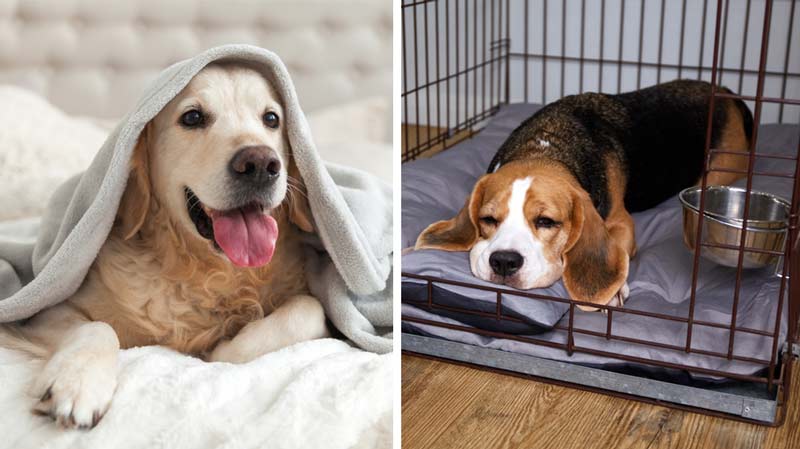
Let’s be honest, letting your dog sleep beside you feels amazing.
But is it good for them? Or for you?
Well, the answer isn’t black or white. It’s about balance, health, and your unique bond.
Do Dogs Like to Sleep With Their Owners?
Yes! In fact, most dogs love it.
Sleeping close to you makes them feel safe, protected, and part of the pack. It’s an instinct they’ve carried since ancient times when dogs huddled together for warmth and security.
When your dog chooses your bed, they’re saying, “You’re my family.”
Do Dogs Sleep Better With Their Owners?
In many cases, YES. Studies show that dogs who sleep near their humans often experience lower stress levels and more stable heart rates.
That calm energy helps them fall asleep faster and stay asleep longer.
It’s especially helpful for anxious, rescue, or senior dogs who crave closeness and reassurance.
Howeve, there’s a flip side.
Some dogs become too dependent on co-sleeping, leading to anxiety when left alone. That’s why it’s important to mix closeness with independence, maybe start the night together, then let them move to their own bed if they wish.
Why Does My Dog Sleep With Their Back to Me?
That’s trust.
When your dog sleeps facing away from you, it means they feel safe enough to relax completely. They’re not guarding themselves, they’re guarding you.
It’s one of the sweetest silent ways dogs show love.
Do Dogs Like Being Pet While Sleeping?
Some do. Some don’t.
Light touches or slow strokes can soothe certain dogs, especially if they’re restless or adjusting. But for others, petting while asleep can startle them.
💡 Tip: If your dog stirs or lifts their head, stop. If they stay relaxed, it’s okay to continue.
Is It Good (or Bad) for Dogs to Sleep in Your Bed?
Let’s break it down:
The Pros:
- Strengthens your emotional bond
- Reduces anxiety for both of you
- Warmer, more comforting for dogs.
- Helps some dogs fall asleep faster
The Cons:
- Can worsen allergies (yours or theirs)
- Disturbs your sleep if your dog moves a lot
- Some dogs become possessive or anxious without you
- Risk of hygiene issues if not bathed regularly
If you both sleep well together and hygiene is maintained, there’s no harm in it.
But if one of you struggles to rest, consider a dog bed beside your bed, closeness without the chaos.
Where Should Dogs Sleep at Night?
The best place is where they feel safe, calm, and included.
That could be:
- A comfy bed in your room
- Their own crate or den
- At the foot of your bed
As long as they’re warm, secure, and relaxed, there’s no wrong answer.
What matters most isn’t where they sleep. It’s how safe they feel doing it.
Sleeping together can be one of the most bonding rituals between you and your dog. But whether they’re in your bed or next to it, what truly matters is comfort, safety, and peace.
And speaking of comfort, where and how your dog sleeps depends a lot on their environment.
Whether they’re in your bed or next to it, what truly matters is comfort, safety, and peace.
Environment & Safety
There are chances you’ve noticed your dog has a favorite sleep spot maybe under the table, near the heater, or right at your feet.
That’s not random. Dogs are sensitive to temperature, noise, and comfort. Where (and how) they sleep can make or break their rest.
Let’s make sure your dog’s sleeping setup keeps them safe, cozy, and healthy; indoors or out.
What Temperature Is OK for Dogs to Sleep Outside?
If your dog sleeps outdoors, even part-time, temperature is critical.
Most dogs are comfortable when the air is between 12°C and 24°C (54°F–75°F), depending on coat type and breed.
💡 General rule:
If it’s too cold or hot for you to sleep comfortably, it’s too much for your dog.
Short-haired or small dogs (like Chihuahuas or Greyhounds) struggle below 10°C.
Thick-coated breeds (like Huskies or Malamutes) can handle cooler nights, but they still need shelter, bedding, and dry conditions.
Always provide:
- A weatherproof, insulated dog house
- Dry, raised bedding (no cold concrete)
- Access to water and shade in warm weather
- Protection from rain, wind, and frost
Even outdoor-loving dogs should spend nights indoors during extreme weather. Safety comes before toughness.
What Temperature Is Too Cold for Dogs to Sleep Outside?
Once temperatures drop below 7°C (45°F), it’s risky for most dogs and anything near freezing (0°C / 32°F) can be downright dangerous.
Small, senior, or short-coated dogs are at the highest risk of hypothermia and frostbite.
Warning signs your dog is too cold:
- Shivering or curling tightly into a ball
- Whining, pacing, or scratching to come inside
- Ears and paws cold to the touch
When in doubt, bring them in. No dog should suffer through a freezing night alone
Can You Give Dogs Benadryl to Sleep?
This is a common question but one that needs care.
While Benadryl (diphenhydramine) is sometimes used by vets for allergies or mild sedation, it’s not a safe or guaranteed sleep aid.
It can cause:
- Drowsiness, confusion, or dry mouth
- Overdose risk if given incorrectly
- Restlessness in some dogs (the opposite effect!)
Always consult your vet before giving any medication, even “safe” over-the-counter ones.
There are far better options for helping your dog relax naturally like calming treats, pheromone diffusers, or gentle nighttime routines.
Can I Give My Dog a Sleeping Pill?
No, never without veterinary supervision.
Human sleep medications are toxic to dogs and can cause seizures, breathing problems, or even death.
If your dog has severe anxiety or insomnia, your vet can prescribe dog-specific sedatives or anti-anxiety meds in safe doses.
But for most dogs, behavior changes, gentle exercise, or natural aids are all that’s needed.
Can a Dog Sleep Off a High?
Unfortunately, no! And this one’s serious.
If your dog accidentally ingests marijuana, edibles, or any other intoxicating substance, do not wait for them to “sleep it off.”
It’s an emergency.
Symptoms of intoxication include:
- Stumbling or wobbling
- Dilated pupils or glassy eyes
- Drooling, tremors, or vomiting
- Slow heart rate or unresponsiveness
Call your vet or an emergency clinic immediately. Time matters.
Dog Sleep Positions & What They Mean
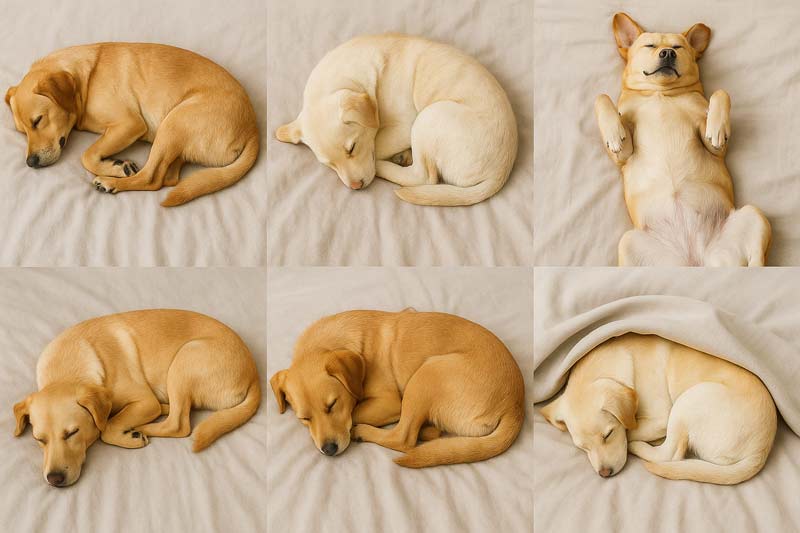
Every dog has a favorite way to sleep and it’s rarely random.
The way your dog curls up, stretches out, or flops down can reveal how they feel: safe, anxious, confident, or just blissfully content.
Let’s peek into the secret world of your dog’s sleeping positions and what they’re really saying.
1. The Side Sleeper
This is one of the most common (and most relaxed) dog sleeping positions.
When your dog lies on their side with legs stretched out, it means they feel safe, loved, and deeply comfortable in their environment.
💡 Translation: “I trust you completely.”
You’ll often see side sleeping after a big meal, a long walk, or during deep afternoon naps.
2. The Curled-Up “Donut”
Tucked nose-to-tail like a little cinnamon roll. This position conserves warmth and protects vital organs.
It’s a leftover instinct from their wild ancestors who slept in dens or cold climates.
💡 Translation: “I’m resting, but I’m still on guard.”
If your dog sleeps this way often, they may prefer cozy, enclosed spaces or cooler rooms.
3. The Belly-Down “Superdog”
Front legs stretched forward, back legs extended behind like they’re flying through the air.
You’ll see this a lot in puppies and energetic breeds.
Translation: “I’m napping, but ready for action.”
This is a light sleep position, showing your dog’s body is resting but their brain’s still alert.
4. The Back Sleeper (Belly-Up)
Ah, the classic “paws in the air, snoring like a truck” pose.
When your dog sleeps belly-up, they’re fully relaxed and confident. This position exposes their most vulnerable areas – the stomach and throat – so it’s a huge sign of trust and security.
Translation: “I feel safe, loved, and carefree.”
You’ll often see this in well-adjusted indoor dogs or those who’ve bonded deeply with their humans.
5. The Back-to-Back Cuddler
If your dog presses their back against you, another dog, or even a pillow, that’s pure affection. In packs, dogs sleep touching each other to share warmth and security.
💡 Translation: “You’re my pack. I’m happiest beside you.”
6. The Burrower
Some dogs love hiding under blankets, cushions, or your hoodie.
That’s not just cuteness, it’s comfort-seeking behavior. Burrowers love dark, warm spaces that mimic dens.
💡 Translation: “I feel safest when I’m tucked in tight.”
| Position | Emotional State | Trust Level |
|---|---|---|
| Side Sleeper | Calm & content | High |
| Curled Donut | Cautious but comfy | Medium |
| Belly-Down | Playful or alert | Medium |
| Belly-Up | Carefree & secure | Very high |
| Back-to-Back | Loving & connected | High |
| Burrower | Comfort-seeking | Medium–High |
Your dog’s sleep position is like their body whispering how they feel because every nap tells a story.
Understanding those little clues helps you meet your dog’s needs better, adjusting temperature, bedding, and closeness to keep them feeling safe and loved.
And speaking of love, did you know that where and how your dog sleeps can actually strengthen your bond?
Dog Sleep and Human Bonding
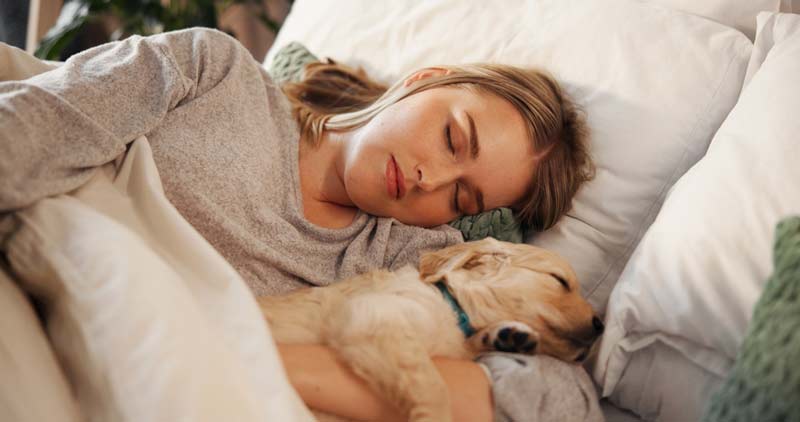
There’s something special about those quiet moments when your dog drifts off beside you.
No barking, no playing. Just peace.
In that stillness, something powerful happens: trust turns into connection.
Dogs don’t just sleep near you for comfort. They do it because your presence is their safety signal, proof that the world is okay and they can finally let go.
Why Dogs Love Your Scent and Warmth
Dogs experience the world through scent. Your smell is their emotional anchor. It tells them “I belong here.”
That’s why your dog might nap on your clothes, your pillow, or curl into your side at night.
💡 Science says: The smell of a familiar human can actually lower a dog’s heart rate and stress hormones.
Your warmth does the same. Dogs are pack animals by nature, they seek body heat and heartbeats. When they feel yours, it soothes them. It’s their way of saying, “I’m home.”
How Sleeping Close Builds Trust
When your dog chooses to sleep near you, in your bed, by your feet, or even outside your door, it’s one of the deepest signs of loyalty.
They’re at their most vulnerable when sleeping, so if they do it near you, they’re telling you:
“You’re my person. I know you’ll keep me safe.”
Over time, that trust builds stronger emotional bonds. You might even notice your dog mirroring your sleep patterns, waking when you do, resting when you rest. That’s connection in its purest form.
When Co-Sleeping Becomes a Comfort Ritual
For many dogs, sleeping near their owner becomes more than habit – it’s a ritual of comfort.
Maybe they press their head against your leg. Maybe they stretch until their paw touches you.
It’s not dominance. It’s devotion.
But like all things, balance matters.
Encourage closeness, but also give them space when needed. Independence builds confidence, love builds trust. Together, they create a calm, secure sleeper.
The Human Side of It
Let’s be honest, it’s not just the dog who benefits.
Studies show that humans who sleep with their pets often feel less lonely, less anxious, and more emotionally connected.
That little snore beside you? It’s the sound of companionship
Sleep isn’t just downtime; it’s bonding time.
Every night your dog curls up near you, that trust grows deeper – unspoken, unconditional, and full of love.
And while emotions tie us together, nature still plays a big part.
Because your dog’s sleep can shift with the seasons, daylight, and temperature, just like yours does.
Seasonal Dog Sleep Patterns
You might have noticed your dog sleeping more when it’s cold outside or acting restless on long summer nights?
That’s not your imagination.
Just like humans, dogs’ sleep patterns shift with the seasons.
Their bodies respond naturally to temperature, daylight, and activity levels, even indoor dogs.
Understanding these changes helps you keep your pup comfortable all year round.
Winter: More Rest and Longer Naps
When the days get shorter and colder, dogs tend to sleep more.
It’s their natural response to lower light and energy levels, a little like “doggie hibernation.”
You might see your dog:
- Napping longer during the day
- Moving slower on walks
- Curling up tightly for warmth
How to help:
- Provide extra bedding or a soft, warm blanket.
- Keep sleeping spots away from cold drafts or tile floors.
- Maintain indoor play sessions to prevent boredom and stiffness.
- Stick to regular walk times, even short ones boost mood and energy.
Winter rest is healthy, but too much inactivity can lead to weight gain or low mood, so balance coziness with movement.
Summer: Restlessness and Cooling Needs
When temperatures rise, dogs often sleep less and seek cooler spots.
You’ll see them spread out on tile floors, panting, or moving beds closer to fans.
Their goal? Regulate body heat and stay comfortable.
How to help:
- Provide a cool mat or lightweight bed.
- Keep water available near their resting area.
- Avoid outdoor naps during peak heat hours (12–4 p.m.).
- Use fans or open windows for gentle air circulation.
- Groom thick-coated dogs regularly to prevent overheating.
Some dogs become slightly irritable in the heat. It’s not bad behavior; it’s discomfort.
Adjusting their environment can make all the difference.
Spring & Autumn: Transition Seasons
These in-between months often bring the biggest sleep shifts.
Changes in daylight, allergies, or energy can cause temporary restlessness or extra sleep.
How to help:
- Keep routines steady. Consistent feeding and bedtime help balance their rhythm.
- Wash bedding more often (pollen and dust can cause sneezing or itching).
- Adjust exercise intensity based on weather – not too hot, not too cold.
Most dogs adapt quickly, but seniors or sensitive breeds might take a bit longer.
Tips to Help Your Dog Sleep Better in Hot Weather
| Tip | Why it Helps |
|---|---|
| Keep room temp under 24°C (75°F) | Prevents overheating and panting |
| Use cooling mats or damp towels | Lowers body temp naturally |
| Offer frozen dog-safe treats | Keeps hydration up |
| Walk early or late | Avoids exhaustion from heat |
| Trim fur (but don’t shave) | Helps airflow while protecting skin |
When you adjust your dog’s environment to the season, you’re speaking their language – the language of comfort and care.
As the seasons shift, so does your dog’s rhythm.
And while those changes are natural, there’s one thing that never changes: their need for good, consistent sleep.
Speaking of which, let’s lighten things up a bit with some fun, surprising trivia.
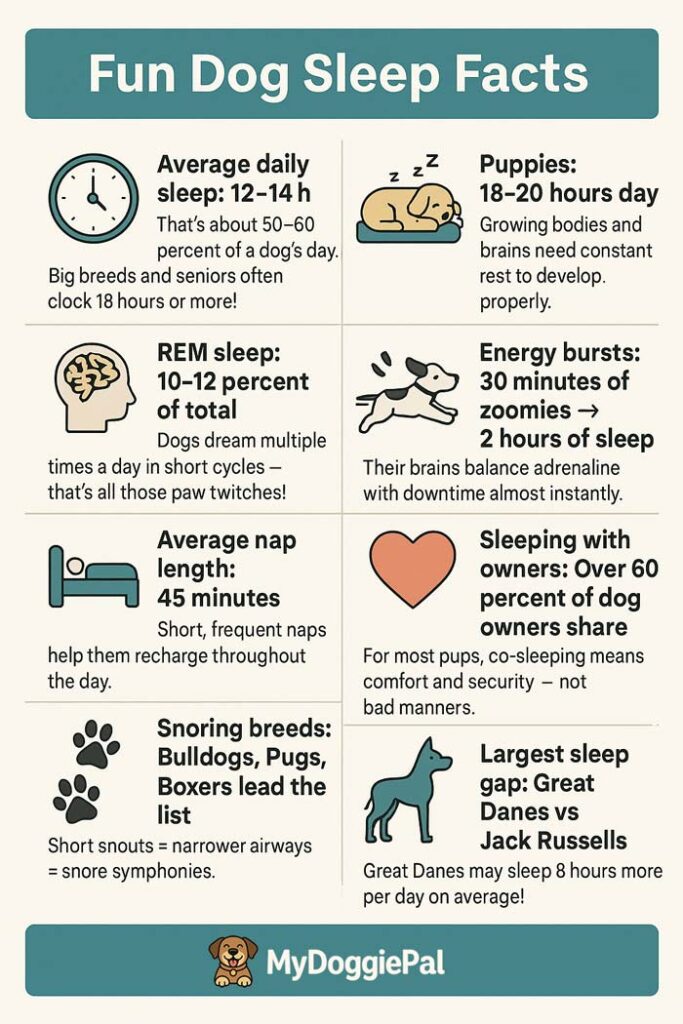
Fun Dog Sleep Statistics & Facts
We’ve talked about how and why dogs sleep. Now let’s look at some fun numbers and science-backed tidbits that show just how fascinating dog sleep really is.
Quick Sleep Stats
| Fact | Insight |
|---|---|
| Average daily sleep: 12–14 hours | That’s about 50–60 percent of a dog’s day. Big breeds and seniors often clock 18 hours or more! |
| Puppies: 18–20 hours a day | Growing bodies and brains need constant rest to develop properly. |
| Seniors: 16–20 hours a day | Slower metabolism = longer naps for recovery. |
| REM sleep: 10–12 percent of tota | Dogs dream multiple times a day in short cycles – that’s all those paw twitches! |
| Energy bursts: 30 minutes of zoomies → 2 hours of sleep | Their brains balance adrenaline with downtime almost instantly. |
| Average nap length: 45 minutes | Short, frequent naps help them recharge throughout the day. |
| Sleeping with owners: Over 60 percent of dog owners share their bed | For most pups, co-sleeping means comfort and security, not bad manners. |
| Snoring breeds: Bulldogs, Pugs, Boxers lead the list | Short snouts = narrower airways = snore symphonies |
| Largest sleep gap: Great Danes vs Jack Russells | Great Danes may sleep 8 hours more per day on average! |
More Fun Sleep Facts
- Dogs spend about half their lives asleep. That’s roughly seven years of dreaming in a 14-year lifespan!
- Smaller dogs dream more often but in shorter bursts; large dogs dream longer but less frequently.
- Dogs can wake and fall back asleep within minutes. That’s their predator-prey instinct keeping them alert.
- During deep sleep, a dog’s body temperature drops slightly, which is why they love curling up.
- Dogs can recognize familiar sounds in dreams, like their owner’s voice or the squeak of their favorite toy.
Every snore, twitch, and stretch has a story. Half biology, half pure love.
Key Takeaways & Final Tips
You’ve made it to the end, and now you know more about dog sleep than most owners ever will.
From dreamy naps to deep nighttime snoozes, you’ve learned how sleep shapes your dog’s health, mood, and even their bond with you.
Here’s a quick summary to keep in mind whenever your dog curls up for another nap.
How Much Sleep Dogs Need
| Age Group | Average Sleep Time/Day | Notes |
|---|---|---|
| Puppies | 18–20 hours | Growing brains and bodies need constant rest. |
| Adults | 12–14 hours | Healthy balance between naps and nighttime sleep. |
| Seniors | 16–20 hours | Lower energy and slower metabolism mean more rest. |
Larger breeds, cold weather, and busy days can increase these hours slightly.
The Healthy Sleep Equation
Good food + Regular exercise + Predictable routine + Comfortable environment = Deep, happy sleep.
It really is that simple.
Small tweaks, like adjusting meal times, adding soft bedding, or keeping a consistent bedtime can make a big difference.
When to Be Concerned
Call your vet if your dog:
- Sleeps far more or less than usual
- Snores loudly or seems to stop breathing mid-sleep
- Wakes up whining or pacing often
- Acts unusually tired, grumpy, or withdrawn
Sleep changes are often the first whispers of a deeper issue and catching them early keeps your dog healthy and happy.
Final Thoughts
Sleep is more than rest. It’s your dog’s way of healing, growing, dreaming and trusting you.
Every nap beside you, every deep sigh under the blanket, is a quiet Thank-You for safety and love.
So tonight, when your dog curls up and drifts off, take a moment.
You’ve built that peace.
You’ve created the comfort.
And in their dreams, you’re probably right there with them.