
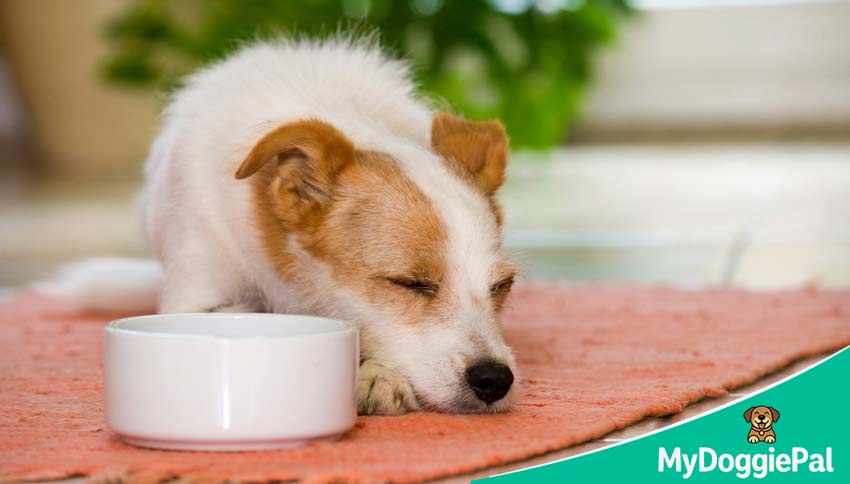
Sometimes just after eating, your dog curls up and drifts off without even leaving the spot. You watch that peaceful little face and think:
“Is this normal… or is something wrong?”
Here’s the truth – it’s usually nothing to worry about.
Most dogs nap after eating because their body and mind are relaxed, their tummy is full, and their instincts tell them it’s time to rest.
Just like us after a big meal, right? But sometimes that sleepiness can hint at something deeper – maybe diet, digestion, or even health.
I want you to feel calm, not confused. In this guide, we’ll walk through why dogs sleep after eating, what’s perfectly normal, what’s not, and a few simple ways to keep mealtime and rest safe.
We’ll look at:
- Natural reasons dogs get sleepy after meals
- Age and food factors that make it stronger
- Signs you shouldn’t ignore
- And practical tips to help digestion go smoothly
By the end, you’ll know when to relax and when to take a second look.
Let’s start with something simple and reassuring: is it normal for dogs to sleep after eating?
Table of Contents
ToggleIs It Normal for Dogs to Sleep After Eating?
It’s completely normal.
Most dogs love to nap after a meal, and it’s their body’s natural way of slowing down to digest food.
When your dog eats, a lot of energy goes toward breaking down that food, so they naturally feel a little tired afterward.
Think of it like this: after Sunday lunch, you might sink into the sofa feeling heavy and calm. Your dog feels the same way.
Their body shifts blood flow from muscles to the stomach and intestines to help with digestion. That change can make them feel cozy and sleepy.
It’s also instinctive. Wild dogs would hunt, eat, and then rest to digest in peace. Your pet’s just following that ancient rhythm – eat, relax, recharge.
You don’t need to stop them from sleeping after eating, as long as the nap is short and they’re alert again later.
What matters is the pattern.
If your dog always wakes up happy, ready to play, and shows no signs of discomfort, you can smile knowing all is well.
Now that you know it’s usually normal, let’s peek inside what’s really happening in your dog’s body after a good meal and why that sleepy look appears so fast.
Common Reasons a Dog Sleeps After Eating
When your dog finishes eating, something interesting happens inside their body. Energy that once powered play or tail-wagging suddenly shifts inward.
Muscles slow down, blood flow changes, and a wave of calm spreads through every part of them. What looks like “lazy behavior” is really smart biology and ancient instinct.
Let’s look closely at each reason your dog may drift into dreamland after eating.
1. Digestive Energy Demand
When dogs eat, their body diverts a large share of energy to digestion. The stomach and intestines need oxygen and nutrients to break down food.
This process temporarily “borrows” blood from the muscles and brain, leaving less for activity.
That’s why your dog’s tail might wag slower or they might just flop down.
Heavier meals, especially ones rich in fat or carbs make this demand even stronger.
The more the body works to digest, the sleepier your dog feels. It’s the same reason humans feel sluggish after a big lunch.
2. Hormonal and Chemical Changes
Eating triggers a cocktail of hormones. Insulin helps move sugar from food into cells. Serotonin, the feel-good chemical, rises in response to protein-based foods.
Melatonin, which controls sleep, often follows serotonin’s lead. Together they create a gentle calm that tells the body it’s time to rest.
So when your dog curls up after eating, it’s not just comfort, it’s chemistry at work.
3. Full-Stomach Comfort
A full belly stretches the stomach wall, pressing on nerves that signal the brain, “I’m satisfied.”
That stretch, combined with warmth and relaxation, encourages sleep.
It’s also about comfort.
A full stomach can make movement feel heavy or awkward, so most dogs prefer lying on their side to aid digestion.
Some even sigh or grunt as they find the perfect spot – that’s contentment in action.
4. Instinctive Post-Meal Rest
Wild dogs and wolves always rested after eating. They didn’t chase, play, or move much. Doing so could cause discomfort or attract predators.
Your dog’s DNA hasn’t forgotten that pattern. Resting after a meal is their natural rhythm: hunt, eat, rest, recover.
When they nap after eating, it’s their inner wolf following ancient wisdom.
5. Relaxed Environment and Safety
Dogs only sleep deeply when they feel safe. After eating, a sense of security amplifies drowsiness.
When your dog eats and then lies nearby, it’s not just digestion, it’s trust.
That nap is a small love note saying, “I feel safe here.” Environments filled with calm voices and predictable routines reinforce that comfort.
6. Routine and Conditioned Habit
Dogs are big on routine. If they’ve grown used to eating and then resting, their body clock expects it.
Over time, eating becomes the cue for rest, much like kids associating bedtime stories with sleep.
Once that rhythm forms, even the smell of dinner can trigger relaxation before the first bite.
7. Warmth and Blood Pressure Drop
Warm surroundings can magnify post-meal drowsiness. As blood moves toward the stomach for digestion, blood pressure may dip slightly.
Combine that with a cozy blanket or heated home, and your dog’s eyelids get heavy.
You might notice this effect more in winter. A full belly plus warmth equals nap time.
8. Mental Calm After Satisfaction
Food gives comfort. When your dog eats, endorphins (natural feel-good chemicals) are released. That emotional calmness, paired with a full belly, brings on peaceful sleep.
For anxious or high-energy dogs, this moment of stillness can be especially strong. Eating literally calms their mind, so they rest deeply afterward.
9. Age and Metabolic Rate
Young puppies and senior dogs both sleep more after meals but for different reasons.
- Puppies are growing fast. Every bite fuels bone, muscle, and brain development. They burn energy quickly and need frequent naps to recover.
- Adult dogs usually nap briefly, especially after play or large meals.
- Seniors digest slower and tire faster. Their metabolism runs at a gentler pace, so longer naps help restore balance.
If your puppy or older dog sleeps after every meal, it’s completely expected and healthy.
10. Diet Composition
What your dog eats matters as much as how much they eat.
- High-carb or fatty foods can cause energy spikes and crashes, leaving dogs drowsy afterward.
- Balanced diets rich in lean protein and fiber digest more steadily, avoiding sharp drops in energy.
- Poor-quality kibble or filler ingredients make digestion harder, which drains energy.
Switching to higher-quality food often improves alertness and reduces excessive post-meal fatigue.
11. Overeating or Fast Eating
Some dogs inhale their food like it’s a race. Eating too fast can cause bloating, gas, or discomfort. The body then slows down digestion to cope – which means less energy for movement.
Overeating has a similar effect. When the stomach stretches beyond comfort, rest becomes the body’s way of handling the overload.
Using slow-feed bowls, spreading food on mats, or splitting meals into smaller portions can help prevent that heavy crash.
12. Emotional and Behavioral Factors
Dogs also eat with emotion.
Stress, anxiety, or excitement can influence their behavior around food. When a nervous dog finishes eating, the relief of having food and safety can cause an emotional “let-down”. A wave of calm that feels like exhaustion.
This is especially common in rescue dogs or those adjusting to new homes. Sleep, in that moment, is their way of healing.
13. Reduced Activity Levels
Sometimes it’s not digestion – it’s lifestyle.
Dogs who don’t get enough exercise or stimulation often nap by default after eating. Boredom leads to extra sleep, and the meal becomes just another cue to settle.
Adding daily walks, sniffing games, or short play sessions helps balance energy and reduce over-sleeping.
14. Breed Differences
Energy levels vary by breed.
- Low-energy breeds like Bulldogs, Great Danes, and Basset Hounds naturally love their naps.
- High-drive breeds like Border Collies or Belgian Malinois stay alert longer and may skip the post-meal snooze.
It’s all about metabolism and temperament. Knowing your dog’s breed tendencies helps you spot what’s normal versus unusual.
Do Puppies and Older Dogs Sleep More After Eating?
Yes, they do and for good reason.
Both puppies and senior dogs have very different bodies, yet they share one thing in common: their systems tire out faster.
Puppies: Tiny Bodies, Big Jobs
Puppies are growing nonstop. Every meal fuels new bones, muscles, and brain cells.
After eating, their body shifts into rebuild mode – digesting, absorbing nutrients, and turning that energy into growth.
That process is exhausting. So when your pup collapses into a deep nap after breakfast, it’s perfectly normal.
They also have less stamina. Puppies burn energy quickly when they play or learn new things, then crash hard after meals.
Don’t fight it, that sleep is part of their healthy development. Think of it as their body saying, “Hold on, I need to catch up.”
Still, it helps to:
- Keep mealtimes consistent
- Offer smaller, more frequent meals
- Let them nap peacefully afterward
- Avoid rough play right after eating
That rhythm builds trust, balance, and better digestion.
Older Dogs: Slower Metabolism, Softer Pace
Senior dogs are a lot like wise grandparents; slower, gentler, and a bit more selective about their energy.
Their metabolism runs at a reduced pace, meaning digestion takes longer. When they eat, their body works harder to process food, which naturally makes them sleepy.
Older dogs may also experience stiffness or mild discomfort after meals, especially if they overeat or eat too fast.
Resting helps their body handle the extra strain. You’ll notice they prefer longer naps and quieter evenings. That’s okay – it’s part of aging gracefully.
To keep them comfortable:
- Stick to easy-to-digest meals
- Avoid feeding late at night
- Keep the eating space calm and warm
- Encourage gentle walks before meals
These little adjustments go a long way toward comfort and better digestion.
So yes, puppies nap to grow, and older dogs nap to recover. Both are doing exactly what their body needs.
But what about what they’re eating – or how they eat?
Could that make your dog more or less sleepy after meals? Let’s dig into how food type and feeding habits play a big role next.
Does Food Type or Feeding Habit Affect Sleepiness?
Absolutely. What your dog eats – and how they eat – can make a big difference in how sleepy they feel afterward. Some meals fuel them, others slow them down.
The Type of Food Matters
Not all meals digest the same way.
- High-fat or carb-heavy foods can cause a sugar rush, then a crash. That drop in blood sugar leaves dogs feeling lazy or sleepy.
- Protein-rich diets give more balanced energy. Protein breaks down slower, helping energy levels stay steady instead of dipping.
- Low-quality kibble with fillers or artificial additives often causes sluggishness because the body works harder to process it.
Choosing better ingredients means easier digestion, and fewer post-meal crashes.
Meal Size and Frequency
Large meals take longer to digest.
When the stomach is packed full, blood flow and oxygen focus heavily on the gut, leaving less energy for play.
Smaller, more frequent meals keep energy balanced and reduce that sleepy slump.
Try splitting your dog’s daily portion into two or three smaller meals. It keeps digestion smoother and their energy levels steady throughout the day.
Quality and Digestibility
If your dog eats raw, wet, or home-cooked food, digestion times vary.
Wet and raw foods often digest faster than dry kibble. That means your dog might nap for a shorter period after eating those compared to dense, processed foods.
Adding fiber or probiotics (under vet advice) can also improve digestion, reducing sluggishness.
Should You Let Your Dog Sleep or Keep Them Awake After Meals?
You should let your dog rest, but with a little balance. Resting after a meal is not only normal, it’s healthy.
The key is knowing when rest helps and when it might cause problems.
Why Resting Helps
When dogs relax after eating, their body can fully focus on digestion.
A calm period after meals prevents cramps, discomfort, and even reduces stress.
Think of it as your dog’s “quiet time”. A moment of peace for their tummy.
Letting them rest for 30–60 minutes after meals supports smoother digestion.
It’s especially important for large breeds, who are more prone to bloat if they run or jump too soon after eating.
When to Avoid Immediate Sleep
Too much stillness, though, can sometimes backfire especially if your dog lies down immediately after gulping a large meal.
In rare cases, that pressure in the stomach may trigger gas buildup or discomfort.
A short, gentle walk before feeding helps ease this. It also stimulates appetite and digestion.
If your dog eats late in the evening, don’t encourage deep sleep right away. Give them time to digest first, maybe a cuddle, a bit of calm play, or gentle brushing. Then, let them drift off.
The “No Exercise Zone”
Avoid intense play, running, or jumping for at least an hour before or after meals.
Vigorous activity too close to eating can raise the risk of bloat (gastric dilatation-volvulus), a serious emergency mostly seen in large or deep-chested breeds.
So if your dog just had dinner, skip the fetch for now. Let them digest first, then have their play session later.
Creating a Healthy Routine
You can build a smooth rhythm like this:
- Gentle walk or potty break →
- Calm mealtime →
- Quiet rest (30–60 mins) →
- Play or evening activity
This pattern supports both digestion and daily balance. Over time, your dog will expect it and you’ll notice fewer restless moments after feeding.
In short, yes. Let them rest, but don’t rush them straight to deep sleep. Balance is everything.
Now that you know when post-meal naps are healthy, let’s talk about the times when they might not be.
Because sometimes, too much sleep after eating can be a sign of something else.
When Sleeping After Eating Might Be a Problem
Most of the time, a nap after eating is harmless.
But if your dog’s post-meal rest turns into hours of heavy sleep, or if they seem “off,” it could mean something deeper is going on.
Paying attention to those small changes can make all the difference.
The Red Flags You Shouldn’t Ignore
Here’s what to watch for after meals:
- Lethargy that lasts most of the day
- Refusing to walk or play after eating
- Panting, whining, or pacing before lying down
- Vomiting, bloating, or diarrhea
- Loss of appetite during the next meal
- Sudden changes in energy or behavior
If you notice any of these signs, it’s best to call your vet. Dogs hide discomfort well, so these small signals might be their only way of saying something’s wrong.
Normal vs. Abnormal Sleep After Eating
Every dog naps differently after meals, but there’s a clear difference between a healthy food nap and worrying fatigue.
Knowing where your dog falls helps you spot issues early without jumping to panic.
Let’s break it down simply.
Normal Post-Meal Sleep
A normal nap looks calm, short, and refreshing. Your dog’s body is busy digesting, but they’re still alert underneath that rest.
Here’s what healthy post-meal rest looks like:
- Naps for 20–60 minutes, then wakes up naturally
- Eager to play or walk once awake
- Breathes steadily and sleeps comfortably
- Responds easily when called
- Maintains normal appetite and bowel habits
- No whining, pacing, or restlessness before sleep
You might even see them shift positions a few times or sigh softly, that’s relaxation, not discomfort.
Abnormal or Concerning Sleep
If your dog seems too tired, unresponsive, or off their usual rhythm, take note.
Abnormal sleep feels heavier, longer, and disconnected from normal behavior.
Watch out for:
- Sleeping for hours after every meal
- Refusing walks, toys, or social interaction
- Struggling to stay awake during usual active times
- Labored breathing or discomfort while lying down
- Digestive issues – vomiting, gas, or diarrhea
- Sudden loss of energy despite eating well
These signs suggest the body isn’t just digesting – it’s struggling.
A Quick Comparison Chart
| Normal | Abnormal |
|---|---|
| Naps 20–60 mins | Sleeps for several hours |
| Calm, steady breathing | Labored or shallow breathing |
| Responsive when called | Slow or dull response |
| Regular play and appetite | No interest in food or toys |
| Normal poop and energy | Digestive upset or fatigue |
| Recovers energy quickly | Stays tired long after meals |
When to Keep Track
Sometimes changes are subtle. Try keeping a small note or using a pet app to log:
- Nap duration after meals
- Appetite and mood
- Any new foods, meds, or treats
Patterns reveal a lot. If your dog’s naps keep getting longer or deeper, or their mood shifts, it’s time for a vet check.
Simple Ways to Help Your Dog Feel Better After Meals
You don’t need to make huge changes to improve your dog’s comfort after eating.
A few small, steady habits can turn every meal into something their body actually enjoys.
Think of this as building a little “digestive peace” routine – one that keeps your dog happy, calm, and full of energy afterward.
1. Stick to a Regular Feeding Schedule
Dogs love predictability.
Feeding them at the same times each day helps their body get into a natural rhythm – their stomach expects food, their hormones align, and their energy adjusts.
Consistency reduces stress, prevents overeating, and keeps digestion on track.
If you’re often busy, set reminders or automatic feeders. A steady routine means fewer tummy troubles and smoother naps.
2. Choose Easy-to-Digest, High-Quality Food
Not all dog food is created equal. Look for balanced formulas with lean protein, moderate fats, and minimal fillers.
Avoid over-processed kibble that’s packed with artificial additives or cheap grains, they can slow digestion and make your dog sluggish.
If you’re unsure, ask your vet about food that supports digestive health or includes probiotics. You’ll notice more stable energy and fewer long naps after eating.
3. Encourage Calm Before and After Eating
Let mealtime feel peaceful. Avoid feeding when there’s excitement, visitors, or barking. A calm dog eats slower, digests better, and feels less bloated.
After eating, give them quiet rest for 30–60 minutes. That doesn’t mean crate them, just keep things soft and settled. Think of it like your dog’s “digestive pause.”
4. Gentle Walks Help More Than You Think
Take your dog for a light walk before meals instead of after. It gets their metabolism moving and helps release extra energy, so they eat calmly.
Post-meal, let them rest instead of running around. Walking right after food increases the risk of bloating, especially for large breeds.
A simple rhythm works best: walk → feed → rest → play.
5. Use Slow Feeders or Puzzle Bowls
If your dog eats too fast, slow things down. Gulping air while eating can cause discomfort and fatigue afterward.
Slow feeders or puzzle bowls turn mealtime into a fun challenge that keeps digestion steady and the brain busy.
6. Watch Portions and Treats
Too much food makes digestion harder. Follow the portion size for your dog’s weight, and remember – treats count too.
Keep a healthy balance: 90% meals, 10% treats. And avoid sharing human snacks, no matter how much they beg with those eyes.
Conclusion
When your dog curls up after eating, it’s usually not a sign of sickness or laziness.
It’s nature doing its quiet work. Their body is digesting, their mind is calm, and they feel safe enough to rest.
That’s a good thing – it means they trust their world and the routine you’ve built for them.